How to Save $100 a Month on Groceries Without Coupons
Most households already spend the $100 — on food they throw away, buy twice, or replace with takeaway. Here's how to get it back without coupons or meal prep.
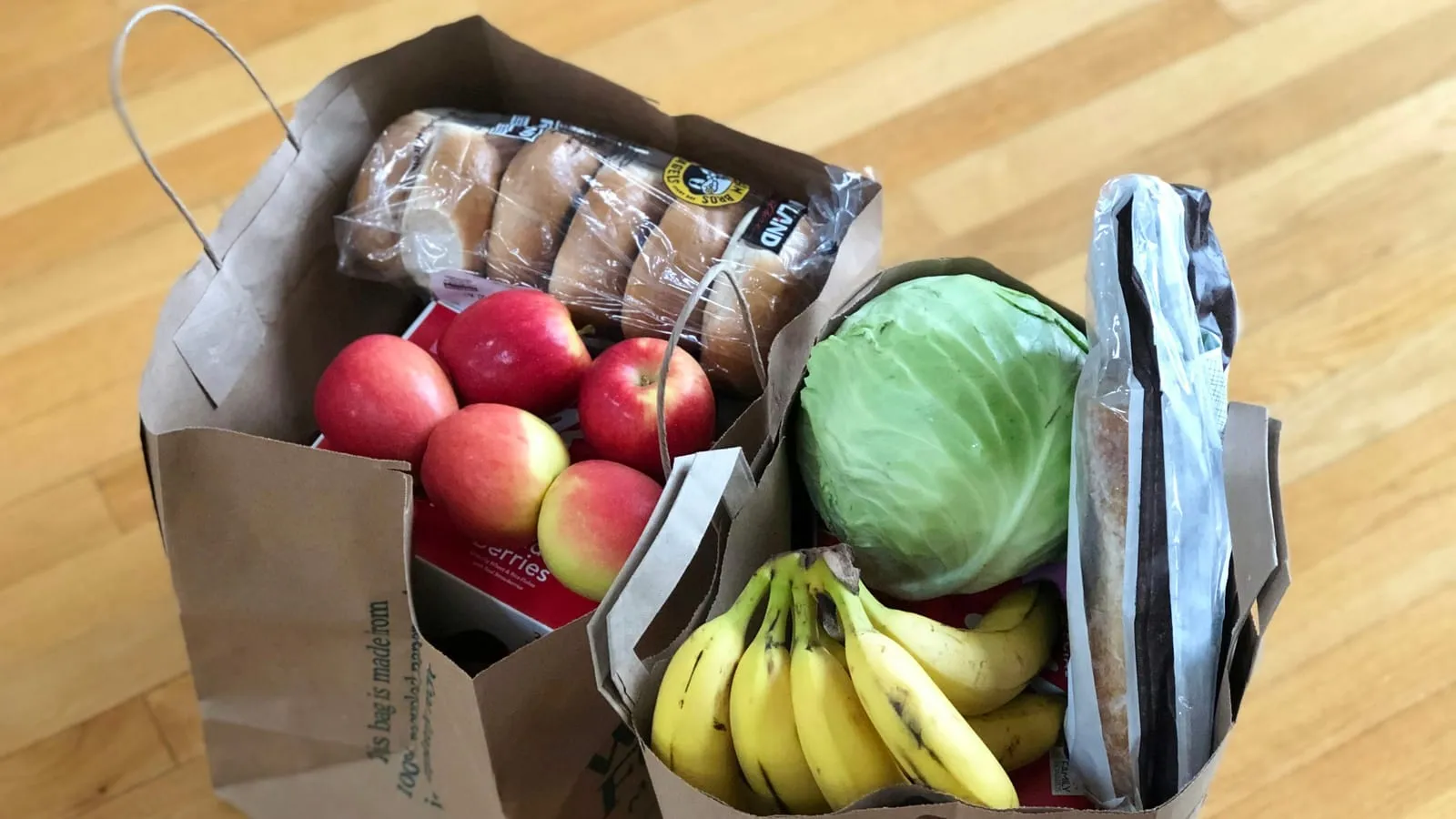
Most advice on how to save money on groceries asks you to change what you buy: switch brands, clip coupons, chase loyalty points, buy in bulk, batch cook on Sundays. Some of that works. All of it costs time, and most of it gets dropped within a month.
There’s a less popular idea that tends to save more: change how much of what you buy actually gets eaten.
The US Environmental Protection Agency puts the cost of food wasted by a family of four at $2,913 a year. That works out to about $243 a month. In the UK, WRAP puts it at about £1,000 a year for a household of four, roughly £83 a month. That’s food you paid full price for, carried home and put away, and then threw out.
So for a lot of households, the $100 a month isn’t hidden in a coupon app. It’s already in the bin. This guide covers how to get it back, along with the other places grocery money quietly leaks, in roughly the order that pays off fastest.
Why this matters more now
Food is expensive in a way it wasn’t five years ago. US grocery prices were up about 29% between February 2020 and late 2025, according to Bureau of Labor Statistics data cited in ReFED’s 2026 report. The USDA expected food-at-home prices to rise another 2.7% in 2026. In the UK, food prices rose roughly 30% between April 2022 and mid-2026, and food inflation was still running at 4.5% at the end of 2025.
When everything costs more, wasted food costs more too. ReFED found that US household food waste actually fell in 2024 for the first time since the pandemic, and attributed the drop directly to people managing food more carefully as prices rose. People are already working this out. The rest of this article makes the process deliberate.
Where grocery money actually leaks
Before cutting anything, it helps to know where the money goes. In most households it leaks through five channels, and coupons address none of them.
1. Food that gets thrown away. The largest one. For a typical family it’s somewhere around 10% of the food budget, which matches the EPA’s estimate.
2. Things you already had. The third jar of cumin, the second bag of spinach, the pasta that’s already in the cupboard. Duplicate buying usually goes unnoticed because each item is cheap. Across a year, it adds up. (This one has its own guide.)
3. Top-up trips. Every extra trip to the shop “just for milk” is another chance to come back with $20 of things that weren’t milk. Shops are designed for this, and it works.
4. The “nothing to eat” takeaway. The fridge is full, but nothing in it adds up to a meal, it’s 7pm, and you’re tired. So you order a $40 delivery while the groceries you paid for sit in the fridge getting older. This is the most expensive leak per incident, and it’s a grocery problem, not a willpower problem.
5. Paying for convenience you don’t use. Pre-cut fruit, bagged salad, single-portion packs, chosen with good intentions and abandoned when the week goes off plan.
Here’s what these leaks plausibly cost a family of four, using illustrative but realistic numbers:
| Leak | Typical monthly cost | Realistic saving |
|---|---|---|
| Food thrown away | ~$240 (EPA average) | ~$120 by halving it |
| Duplicates | $15–30 | Most of it |
| Top-up trip extras | $20–40 | Half |
| ”Nothing to eat” takeaways | $40–120 (one to three a month) | One or two fewer |
| Total recoverable | ~$150–250 |
Your numbers will differ. The pattern doesn’t: the biggest savings come from using what you already buy, not from buying cheaper.
Step 1: Measure before you cut
You can’t cut a number you’ve never looked at, and almost everyone underestimates their own food waste. WRAP’s research consistently finds that self-reported waste is lower than measured waste.
So spend one week finding out. Every time edible food goes in the bin, write down what it was and roughly what it cost. At the end of the week, add it up and multiply by four. The full method is in How much food is your household actually wasting?.
There are two reasons to do this first. It gives you a baseline, so you’ll know in a month whether anything worked. And it shows you which foods are leaking. It’s almost never spread evenly. Usually it’s two or three specific items, week after week, such as the bagged salad, the second half of the loaf, or the bunch of herbs bought for one recipe. Fix those, and most of the waste goes with them.
Step 2: Shop from your kitchen, not from memory
This is the habit with the biggest single payoff, and it takes five minutes.
Before writing the shopping list, open the fridge, the freezer and the main cupboard, and look. Then write the list based on what you saw, not what you remember.
The sequence matters. Most people write the list first and check the kitchen afterwards, if they check at all. That’s how you end up buying what you already own and missing what you’ve run out of.
While you’re looking, do two more things:
- Pull out anything that needs eating in the next three days and put it at the front of the fridge.
- Plan the next few dinners around those items before adding anything new to the list.
That second habit turns food you were about to throw away into dinner, and it means you’re buying to fill gaps rather than starting from scratch every week.
Step 3: Plan four dinners, not seven
Seven-day meal plans fail because real weeks don’t go to plan. Someone works late, someone else eats out, Thursday turns into leftovers. The ingredients for two meals that never happened sit in the fridge until they turn.
Plan four dinners. The other nights are covered by:
- Leftovers from the four planned meals (cook a little extra on purpose).
- Freezer meals you’ve already made.
- “Pantry floor” meals — see the next step.
You buy fresh ingredients for four meals, not seven, so you spend less upfront and throw less away when plans change. The flexible nights soak up the unpredictability that wrecks rigid plans.
Step 4: Build a pantry floor to kill the takeaway
The “nothing to eat” takeaway is expensive and almost completely preventable. It happens because there’s no fast default when you’re tired and the planned meal isn’t going to happen.
A pantry floor is five meals you can make in under twenty minutes from shelf-stable and frozen ingredients alone, with nothing fresh needed. Keep the ingredients for all five in stock, always. Some examples:
- Pasta with tinned tomatoes, garlic and frozen spinach. About 15 minutes.
- Egg fried rice with frozen peas and soy sauce. About 10 minutes, if there’s leftover rice (cooled and refrigerated within an hour of cooking).
- Bean chilli on rice from tinned beans, tinned tomatoes, onion and spices.
- Omelette or frittata with whatever cheese and frozen vegetables you have.
- Noodle soup with stock, frozen vegetables and an egg.
Write your five on a note inside a cupboard door. When the evening falls apart, you choose from the list instead of opening a delivery app. Replacing even one takeaway a month covers a big chunk of the $100.
Step 5: Fewer trips, on purpose
Every trip to a shop costs more than what you went in for. The fix isn’t to never top up. It’s to make top-ups predictable.
- One main shop and one planned mini-shop a week. The mini-shop is for fresh produce and milk, and you make a list for it like any other trip.
- Keep a running list somewhere you’ll always have it, so things that run out mid-week get written down instead of triggering a trip.
- If you must make an unplanned trip, take a basket, not a trolley. It’s an old trick and it still works: a basket physically limits impulse buys.
Start with the free version. Pantry inventory, barcode scanning, expiry reminders and shopping lists are free, and that’s enough for Steps 2, 3 and 5. Download Korgo for iPhone →
Step 6: Know the price of your top 15 items
You don’t need to compare prices on everything, just the things you buy every week. For most households, about fifteen items make up the bulk of the spend: milk, bread, eggs, chicken, mince, cheese, rice, pasta, onions, potatoes, bananas, coffee, butter, yoghurt and a cereal.
For those fifteen, note the unit price (per kg, per litre or per 100g, which is printed on the shelf label) at your usual shop and one alternative. That gives you a short list of where the store’s own brand is genuinely the same product for less, and where the “big pack” really is cheaper.
There’s one important exception to “bigger is cheaper per kg”: it’s only cheaper if you eat it. A 2kg bag of potatoes that’s 40% cheaper per kg is more expensive than a 1kg bag if half of the big bag sprouts before you get to it. For perishables, the real unit price is the price divided by how much you actually eat. Small households especially should buy fresh food by the amount they’ll use, not by the shelf-label price per kg.
Step 7: Store food so it lasts as long as it should
Food often goes off early because of how it’s stored. A few fixes cost nothing:
- Check your fridge temperature. It should be at or below 5°C / 40°F. Plenty of home fridges run warmer, which shortens the life of everything inside. A cheap fridge thermometer pays for itself.
- Milk on a shelf, not in the door. The door is the warmest part of the fridge.
- Bread out of the fridge, half of it in the freezer. The fridge makes bread go stale faster. Freeze half a loaf on the day you buy it and toast slices from frozen.
- Wrap herbs in damp kitchen paper or stand them in a glass of water in the fridge.
- Freeze before the date, not on it. “I’ll freeze it before it goes off” is where most food gets lost. Freeze on shopping day if you’re not sure you’ll use it.
There’s more detail on freezing in our freezer guide, and on what dates actually mean in “Use by” vs “best before”.
What doesn’t work as well as people think
Coupons and loyalty schemes. They’re useful if you’d buy those products anyway. They’re costly if they nudge you into buying things you don’t need, which is often the point of them.
Bulk buying for small households. It only saves money on things that don’t spoil and that you’re certain to use. A warehouse-club pack of fresh berries isn’t a bargain if a third goes mouldy.
Extreme Sunday meal prep. Five identical lunch boxes look great on Sunday. By Thursday, nobody wants to eat them. For most people, cooking extra at dinner and keeping it for lunch works better than a separate prep session.
Willpower in the aisle. Deciding to “be good” at the shop doesn’t last. A list based on what’s actually in your kitchen does.
Check the result after a month
After four weeks, do two things:
- Repeat the one-week bin diary. Compare it with your baseline.
- Compare your grocery spend (from bank statements or receipts) with the previous month, allowing for any unusual weeks.
Most households that apply steps 2 to 4 see a clear drop in both. If not, the bin diary will show where the leak still is, and it’s almost always one or two specific foods.
Where the paper version breaks down
Everything above works on paper. It’s also exactly the kind of system that holds up for three weeks and then quietly stops.
- The “look before you list” check only happens if you’re home and have five spare minutes before shopping.
- The running shopping list is on the fridge when you’re in the shop.
- Nobody remembers to write down that something’s running low, or when it goes off.
- The bin diary works for a week and then stops, so you lose track of whether anything changed.
What makes these habits stick is the same thing in every case: a record of what’s in your kitchen that’s always with you and always up to date. That’s what a phone is for.
Doing it with Korgo
Korgo is a kitchen inventory app for iPhone built for exactly this loop: know what you have, use it before it turns, and buy only what’s missing.
- Scan your shopping as you unpack. Scan the barcode and the name and nutrition fill in automatically; you set the expiry date. Start with your next shop and don’t try to log the whole kitchen on day one.
- Use the pantry as your “look before you list.” The check from Step 2 becomes a glance at your phone, including when you’re already in the shop.
- Let it flag what’s urgent. Items about to expire are highlighted so you can plan your four dinners around them, and gentle reminders catch the ones you’d otherwise forget.
- Keep one shopping list in the same app, so whatever runs out mid-week goes straight onto it.
- Watch the bin. With Pro, Korgo’s waste insights show which items keep getting thrown out, which is the bin diary from Step 1 without the paper.
- Share it with your household on the Family plan, so everyone’s shopping counts against the same pantry and the same list.
The short version
For most households, the cheapest way to save $100 a month on groceries is to stop paying for food that doesn’t get eaten, not to buy cheaper food. The average US family of four throws away about $243 of food a month, and the average UK household of four about £83.
Measure your waste for a week. Check the kitchen before you write the list. Plan four dinners instead of seven. Keep five pantry-floor meals for the evenings that fall apart. Make fewer trips. Know the unit prices of your top 15 items. Store food so it lasts.
None of it needs coupons, bulk buying or a Sunday afternoon. It needs an accurate picture of what’s already in your kitchen, available wherever you are.
Sources: EPA, Estimating the Cost of Food Waste to American Consumers (2025) · WRAP UK household food waste data · ReFED, Progress on the Plate (2026) · USDA ERS Food Price Outlook · House of Commons Library, food inflation briefing (2026) · Food Foundation food price tracker (2026)